
Loft Conversion Cost Calculator
A loft conversion in Greater Manchester costs between £20,000 and £75,000 in 2026, depending on the type. A Velux conversion starts from around £20,000, a dormer from £35,000, a hip to gable from £45,000, and a mansard from £50,000. Use the calculator below for an instant estimate based on your loft type, size and finish.
How much does a loft conversion cost in 2026?
The cost of a loft conversion is driven mostly by the type, because each type involves a different amount of structural work to the roof. The table below shows typical total project costs in Greater Manchester for 2026. These figures are lower than London and the South East, where the same work usually costs 20 to 30 per cent more. To see how the work itself is carried out, visit our loft conversion service.
| Conversion type | Typical cost | Best suited to | Planning |
|---|---|---|---|
| Velux / Rooflight | £20,000 to £35,000 | Lofts that already have good head height | Usually permitted development |
| Dormer | £35,000 to £55,000 | Terraced and semi-detached homes, the most popular choice | Rear usually permitted, front needs planning |
| Hip to Gable | £45,000 to £65,000 | Semi-detached and detached homes with a hipped roof | Often needs planning permission |
| Mansard | £50,000 to £75,000 | Maximum space, often period properties | Always needs planning permission |
Ranges are based on 2026 Greater Manchester build rates and Renovat Construction's recent project costs. Last updated June 2026.
For a detailed area by area breakdown, see our loft conversion cost guide for Manchester.
Loft conversion costs across Greater Manchester
Costs are broadly consistent across Greater Manchester because the region shares one labour market, so the ranges above apply whether your home is in Stockport, Salford or Bolton. What changes by area is the type of conversion that best suits the local housing stock.
| Area | Common housing | Typical conversion |
|---|---|---|
| Manchester | Victorian and Edwardian terraces | Rear dormer |
| Stockport | Semi-detached and detached | Hip to gable or dormer |
| Salford | Terraces and townhouses | Rear dormer |
| Bolton | Mixed terraces and semis | Dormer |
| Trafford | Semi-detached and detached | Hip to gable |
| Altrincham and Sale | Larger semis and detached | Hip to gable or mansard |
| Bury | Terraces and semis | Dormer |
The right conversion always depends on the individual property, which a free survey confirms.
What affects the cost of a loft conversion?
Six factors account for most of the difference between one loft conversion and another:
Type of conversion
A Velux conversion barely touches the roof structure, so it is the cheapest. A dormer cuts out and rebuilds a section of the rear roof. A hip to gable rebuilds the entire end slope as a vertical wall. A mansard rebuilds the roof almost entirely, which is why it costs the most and always needs planning permission.
Floor area
Larger conversions cost more in total but often less per square metre, because the fixed costs of scaffolding, steelwork and a staircase are spread over a bigger room.
Finish level
A standard plasterboard and painted finish costs less than a premium specification with engineered timber flooring, bespoke joinery and a designer bathroom.
An ensuite or bathroom
Adding an ensuite typically adds £8,000 to £12,000, because it involves new plumbing risers, soil pipe routing, waterproofing and tiling.
Structural work and steelwork
Every loft conversion needs a structural engineer's calculation pack for the floor and ridge beams. Conversions that move the ridge or add large openings need extra steel, which adds to the cost.
Access and head height
You usually need around 2.2 to 2.3 metres of head height in the existing loft for a conversion to work without raising the roof. Tight access for scaffolding and materials can also affect labour costs.
The stages of a loft conversion
A loft conversion follows the same broad sequence whatever the type:
- Design and structural engineer's calculations for the floor and roof.
- Planning permission where required, and building regulations approval.
- Scaffolding, structural steelwork and the new structural floor.
- Roof alterations, the dormer or gable, and full weatherproofing.
- Insulation, staircase, first and second fix, plastering, and final finishing.
How long does a loft conversion take?
Once work begins on site, a Velux conversion takes around 4 to 6 weeks, a dormer 8 to 10 weeks, and a hip to gable or mansard 10 to 14 weeks. Design, planning where required and building regulations approval happen before this and can add a further 6 to 12 weeks.
Do I need planning permission for a loft conversion?
Many loft conversions in Greater Manchester fall under permitted development and do not need a full planning application. Velux conversions and rear dormers are usually permitted development. Front dormers, hip to gable conversions on semi-detached homes, and all mansard conversions usually need planning permission. Properties in conservation areas or with an Article 4 direction have stricter rules. Building regulations approval is always required, whatever the planning position.
Does a loft conversion add value to my home?
A well built loft conversion typically adds 10 to 20 per cent to the value of a home in Greater Manchester, especially when it adds a bedroom with an ensuite. In many cases the value added is greater than the cost of the work, which is one reason loft conversions are one of the most popular ways to gain space without moving.
Is a loft conversion cheaper than an extension?
A loft conversion is often more cost effective than a ground floor extension of similar size, because it uses space you already have and does not sacrifice any garden. If you are comparing the two, try our house extension cost calculator alongside this one.
Full house refurbishment and garage conversion in Stockport
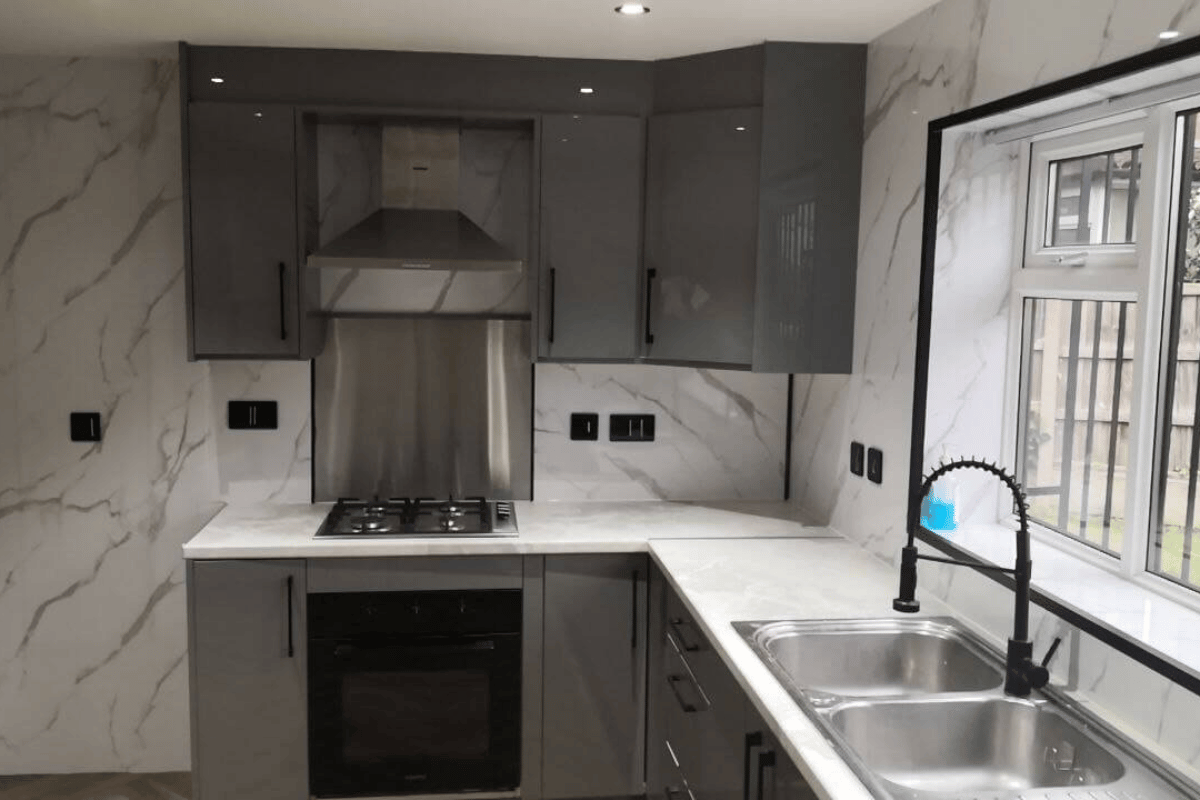
The owners of a newly purchased Stockport home needed complete modernisation and wanted to put an unused integral garage to better use. Renovat Construction refurbished every room and converted the garage into a fully insulated reception room, adding usable living space without the cost of a full extension. The whole project was delivered on a fixed price and managed end to end by a dedicated project manager.
Renovat Construction managed the planning permission and Building Regulations approval for the garage conversion in-house, liaising with Stockport Council on the client's behalf, with all electrical and gas work certified and signed off at handover. The clients received weekly written progress updates throughout.
Read the full project with before and after photos on our Stockport refurbishment case study.
Get an accurate quote from Renovat Construction
The calculator gives an indicative range. For an exact figure tailored to your roof, your home and your specification, Renovat Construction will visit, measure and provide a detailed fixed price quote after a free survey. We have built and refurbished homes across Greater Manchester for 25 years, with projects managed by a PMP and RICS certified project manager. Learn more about our loft conversion service.
Call 0161 706 0480 or email contact@renovat.co.uk to arrange your free consultation. Request a quote online.
Loft conversion cost calculator: frequently asked questions
How much does a loft conversion cost in Manchester?
A loft conversion in Manchester costs between £20,000 and £75,000 in 2026. A Velux conversion starts from around £20,000, a dormer from £35,000, a hip to gable from £45,000, and a mansard from £50,000. The final cost depends on the type, size, finish and whether an ensuite is added.
What is the cheapest type of loft conversion?
A Velux or rooflight conversion is the cheapest type, starting from around £20,000, because it adds roof windows without changing the roof structure. It is only suitable where the loft already has enough head height, usually at least 2.2 metres.
Is a loft conversion worth it?
In most cases, yes. A loft conversion in Greater Manchester typically adds more in property value than it costs to build, and it creates extra living space without losing any garden. It is usually quicker and less disruptive than moving home.
Can any loft be converted?
Most lofts can be converted, but it depends on head height, roof structure and space for a staircase. Lofts with a traditional cut roof are easier to convert than those with modern trussed rafters, which need extra structural work. A survey confirms what is possible.
Do I need an architect for a loft conversion?
Not always. Many loft conversions are delivered with a design and build contractor and a structural engineer rather than a separate architect. An architect adds most value on complex or design-led conversions. Renovat Construction can manage the design, structural calculations and approvals in-house.
Do I need planning permission for a loft conversion?
Many loft conversions are permitted development and do not need planning permission. Velux conversions and rear dormers usually are. Front dormers, most hip to gable conversions, and all mansard conversions usually need planning permission. Building regulations approval is always required.
How long does a loft conversion take to build?
On site, a Velux conversion takes around 4 to 6 weeks, a dormer 8 to 10 weeks, and a hip to gable or mansard 10 to 14 weeks. Design and approvals beforehand can add a further 6 to 12 weeks.
Does a loft conversion add value to a house?
Yes. A well built loft conversion typically adds 10 to 20 per cent to a property's value in Greater Manchester, particularly when it creates an extra bedroom with an ensuite.
How much head height do I need for a loft conversion?
You usually need around 2.2 to 2.3 metres of head height in the existing loft, measured from the ceiling joists to the ridge, for a conversion without raising the roof. With less head height, a dormer or roof alteration may be needed.